
Kerala Is Urbanising Quietly — And Buildings Need to Catch Up
Kerala isn’t urbanising the way most people expect.
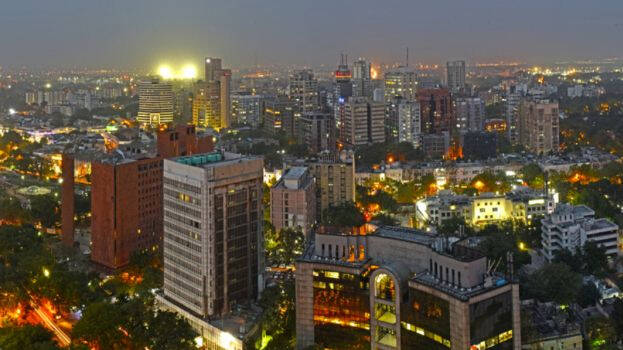
There are no sudden skylines, no giant tech corridors announced overnight, no dramatic city makeovers. Yet, something undeniable is happening beneath the surface. A residential lane becomes a clinic hub. A quiet junction turns into a café cluster. Homes slowly transform into offices. Traffic increases where there was once silence. Parking becomes a daily negotiation.
This is urbanisation; just without a headline, just without any noise
When Lifestyle Changes Faster Than Buildings
What’s interesting is that our lifestyle has changed much faster than our buildings. We now work from home, run businesses from living rooms, meet clients in neighbourhood cafés, and expect services within walking distance. But most of our buildings are still designed with a very old assumption: that life will remain static. That assumption is costing people.
A house is built only for residential use. A few years later, a clinic opens on the ground floor. Suddenly there isn’t enough parking. Electrical loads are insufficient. Neighbours complain. Fire safety becomes mandatory. Toilets are too few. Accessibility is missing. And then come the regrets — “We should have planned this better.”
The problem isn’t growth. The problem is unpreparedness.
The Rise of Micro-Commercial Kerala
Kerala today is full of what has come to be known as call micro-commercial hubs. They don’t look like business districts, but they function like them. Small junctions now host offices, studios, labs, consultancies, coaching centres, cafés, and clinics.
This decentralised growth is powerful. It allows people to work close to home, reduces long commutes, and spreads opportunity across towns instead of concentrating it in one city.
But our construction mindset is still binary — residential or commercial. Life no longer works that way.
Why Rigid Buildings Age Too Fast
Buildings now need to be flexible by default. A living room today might become a workspace tomorrow. A spare bedroom could turn into a consultation room. A ground floor could host retail in the future.
When we design rigid spaces, we force people into expensive renovations later; often when it’s too late to fix core issues.
Flexibility is no longer a luxury. It’s survival.
Parking, Services & The Reality Check
Another reality we can’t ignore is parking. In many parts of Kerala, it’s still treated as a formality, just meeting the minimum rule. But real life doesn’t run on minimums. When a building attracts visitors, staff, or customers, parking becomes a social issue. Roads get blocked. Neighbours get upset. Local bodies step in. What began as a design shortcut becomes a daily headache.
The same goes for services. Electrical capacity, water pressure, drainage, waste management, fire safety — these aren’t “future problems.” They become problems the moment a building’s use changes.
And as we have experienced, use always changes.
The Builder’s Role Has Changed
For the same reason, the role of builders has fundamentally shifted. We’re no longer just executing drawings. We are shaping neighbourhoods.
Every building we put up affects traffic, noise, business activity, land value, and community behaviour. That’s responsibility, whether we acknowledge it or not. If we ignore context, we create chaos. If we design thoughtfully, we bring order to growth.
The Question We Should Be Asking
Kerala’s urbanisation may be quiet, but it is permanent. The real question is not if an area will develop, because it already has!
The real question is: Are our buildings ready for it?
Conclusion
At B&M, we don’t just build for today’s needs. We try to anticipate how life will change — how people will use spaces five or ten years from now. Because a building that cannot adapt
will age faster than the city around it. And in Kerala, change isn’t coming.
It’s already here.
Visit us at: www.bnminfra.com
