
Why the Next Generation of Kerala Buildings Will Look Very Different
Kerala’s built environment is entering a quiet transformation. For decades, construction in the state followed familiar patterns — reinforced concrete frames, similar façade treatments, predictable layouts, and incremental upgrades over time. But the forces shaping the next wave of buildings are fundamentally different.
The next generation of Kerala buildings will not simply be newer. They will be structurally, technologically, and conceptually different.
Climate Will Drive Design – Not Just Aesthetics
Kerala’s climate has always demanded respect, but it is no longer predictable.
Heavier monsoons, higher humidity levels, rising temperatures, and increasing instances of localised flooding are changing how buildings must be designed.
Future-ready buildings will prioritise:
- Elevated plinth strategies in flood-sensitive zones
- Improved drainage planning integrated at site level
- Better waterproofing detailing, not surface-level solutions
- Façade systems that manage heat gain and glare
- Cross-ventilation and passive cooling strategies
Climate responsiveness will no longer be optional; it will be structural.
Mixed-Use Is Becoming the Urban Default
Kerala’s cities, especially Kochi, Trivandrum and Calicut, are urbanising vertically and densifying horizontally at the same time.
Purely residential pockets are increasingly blending with:
- Clinics
- Co-working spaces
- Small offices
- Retail outlets
- Rental apartments
The next generation of buildings will be designed for adaptability capable of accommodating multiple uses within the same footprint.
Smaller, Smarter Spaces Will Replace Oversized Layouts
There is a clear shift in demand. Young professionals, startups, and small business owners are not necessarily looking for larger spaces, they are looking for efficient ones.
This means:
- Compact commercial units with higher utilisation
- Smaller apartments designed with functional precision
- Shared amenities replacing underused private space
- Better circulation planning
Space optimisation will become a core design discipline, not a cost-cutting measure.
Technology Will Be Embedded, Not Added Later
The next generation of buildings will be digitally prepared from the start.
This includes:
- Smart electrical planning
- EV charging provisions
- Building Management System (BMS) compatibility
- Structured cabling and IoT readiness
- Energy monitoring systems
Instead of retrofitting technology later, future buildings will be infrastructure-ready from day one.
Durability Will Be Taken More Seriously
Kerala’s environment is unforgiving to poor detailing.
High moisture levels accelerate corrosion.
Salt exposure in coastal belts affects reinforcement.
Water seepage damages interiors and structural elements alike.
Future buildings will require:
- Better material selection
- Improved waterproofing systems
- Attention to detailing in joints and service penetrations
- Planned maintenance frameworks
Durability will become a financial strategy — not just an engineering concern.
Compliance and Documentation Will Gain Importance
As regulation strengthens and buyer awareness increases, documentation, approvals, and structural clarity will matter more than ever.
Investors and end users are becoming more cautious.
Legal transparency, proper title clarity, and statutory alignment will influence project success as much as location.
Professionalism in execution will separate long-term assets from short-term developments.
Identity Will Matter
The next generation of Kerala buildings will not be anonymous.
As competition increases, projects will differentiate themselves through:
- Materiality
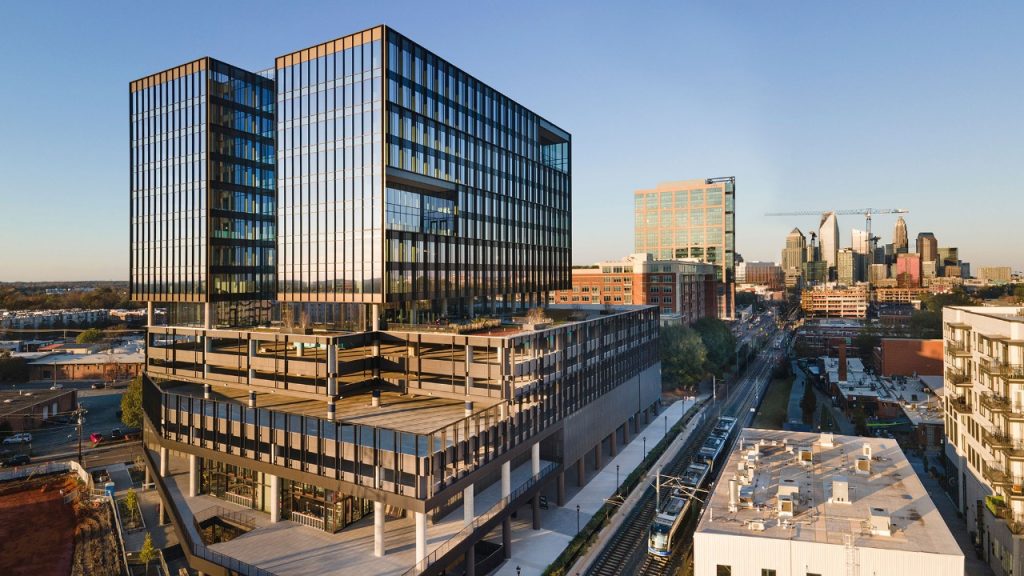
- Façade articulation
- Landscape integration
- Spatial experience
- Context awareness
Buildings will no longer compete only on square footage; they will compete on presence and usability.
Conclusion
Kerala is urbanising quietly but steadily.
The forces reshaping its built environment are structural — not temporary trends. Climate realities, infrastructure expansion, demographic shifts, and investment behaviour are converging to redefine what a “good building” looks like.
At B&M, we believe the future of construction in Kerala lies in designing with foresight — creating structures that perform well not just at handover, but over time.
Because buildings are no longer static assets.
They are evolving systems within evolving cities.
Visit us at: www.bnminfra.com
